Coffee
World-Class Espresso: The One Thing Your Home Machine Is Missing
Author:Tooba
|
Released:October 6, 2025
Most home espresso machines promise café-quality shots. Few deliver. You’ve probably adjusted grind size, timed your pull, and bought better beans. Still, your espresso tastes off—thin body, sour edge, bitter aftertaste. The missing piece isn't always the machine itself. It's what goes around it.
Here’s how to take your espresso from decent to world-class, including the one overlooked tool that makes the biggest difference.
The Key Missing Tool: A Precision Grinder
A solid grinder changes everything. Most flavor problems—channeling, sourness, lack of crema—start with uneven grind size. Pre-ground coffee doesn’t cut it. Even built-in grinders on super-automatics tend to produce inconsistent particle sizes, which ruin extraction.
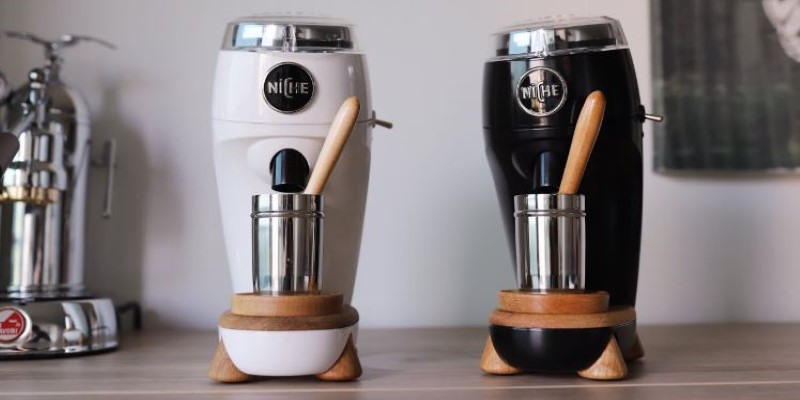
If you're using a $500 machine with a $60 grinder, that's the mismatch.
Recommended grinders for serious espresso:
Niche Zero: Single-dosing, 63mm conical burrs. Quiet, zero retention, smooth workflow. Around $499.
DF64 Gen 2: Flat burrs with stepless adjustment. Excellent value at $349–$399.
Eureka Mignon Specialita: Programmable dosing, stepless control, compact footprint. Around $499.
These deliver consistent fine grinds suited for 9-bar espresso shots. Expect thicker crema, balanced flavor, and far fewer shots down the drain.
Dialing In Espresso: The Recipe You Should Start With
Great espresso starts with a base recipe. It gives you a target and helps eliminate guesswork. Try this:
Recipe: Modern 1:2 Ratio Espresso
Dose: 18 grams of finely ground coffee
Yield: 36 grams of espresso
Time: 27–32 seconds
Temp: 93°C (199.4°F)
Use a scale to weigh both input and output. Tasting sour? Grind finer. Tastes bitter? Grind coarser. This baseline works well with most medium to dark roasts.
For beans, try Red Bird Espresso, Stumptown Hair Bender, or Counter Culture Big Trouble. These offer reliable results across common machines like the Breville Barista Express or Rancilio Silvia.
The Puck Prep Gear You Didn’t Know You Needed
Even grind distribution matters. Uneven coffee in the portafilter leads to channeling and poor flavor. Here are tools that fix that:
WDT Tool (Weiss Distribution Tool): Breaks up clumps after grinding. Costs around $15–$30.
Palm Tamper: Ensures level tamping every time. Try Normcore V4 for $45.
Puck Screen: Distributes water flow, reduces spray, and improves puck integrity. The Espresso Parts 58.5mm screen is a popular choice at $15–$20.
These don’t look impressive, but they change consistency shot-to-shot. Combined with a good grinder, they can fix 90% of home espresso issues.
Water Quality And Temperature Control
Bad water means bad espresso. Tap water often carries minerals or chlorine that interfere with flavor and damage machines. Use filtered water or bottled options like Third Wave Water mineral packets for consistent results.
If your machine doesn’t have PID control, temperature swings can cause sour or bitter shots. Machines with stable temp control:
Lelit Mara X ($1,199): E61 grouphead with automatic temperature management.
Breville Dual Boiler ($1,599): Precise digital temp control and excellent steam performance.
Profitec Pro 300 ($1,499): Compact dual boiler with solid build.
Upgrading to a PID-controlled machine is worth it once you’ve maxed out on grinder and puck prep.
Espresso Recipes To Try Now
Use these to test different flavor profiles or milk pairing options. All use the standard 18g dose unless otherwise noted.
Sweet & Syrupy Espresso
Bean: Medium roast natural Ethiopian
Yield: 34g
Time: 29 sec
Notes: Berry-forward, thick body, jammy finish
Best for: Sipping solo or iced lattes
Balanced Classic Shot
Bean: Medium roast blend (e.g., Stumptown Hair Bender)
Yield: 36g
Time: 28–30 sec
Notes: Chocolate base, mild acidity, long finish
Best for: Cappuccinos and flat whites
Bright & Light Espresso
Bean: Light roast, washed Kenyan
Yield: 40g
Time: 32–35 sec
Notes: Citrus high notes, tea-like body, quick finish
Best for: Espresso tonics or Americanos
Adjust ratios based on how your shot tastes. Don't chase perfection; aim for consistent flavor in line with the roast.
Brew Scales And Timers Make A Real Difference
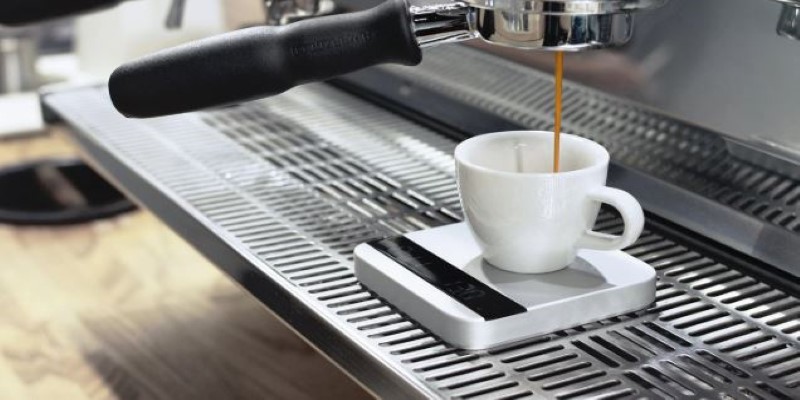
Eyeballing doesn’t work for espresso. You need numbers. A scale with a built-in timer is non-negotiable if you’re aiming for repeatable results.
Acaia Lunar: Premium choice, super fast, waterproof, $250–$280.
Timemore Black Mirror Plus: Excellent mid-range pick, about $80.
Felicita Arc: Small form, fast response, under $170.
Stick the scale under your cup, start the timer with the shot, and cut it off at the target yield. This control over time and weight helps dial in more precisely than feeling alone.
Milk Frothing: Small Upgrades, Big Gains
Suppose you enjoy milk drinks; steam quality matters. Weak steam results in big bubbles, a watery texture, and a flat flavor.
If your machine struggles, a few tools help improve microfoam:
Bellman Stovetop Steamer: $120–$140, turns any stovetop into a commercial-level steam wand.
Subminimal NanoFoamer V2: $39, for silky microfoam without steam.
Milk Jug with Thermometer Strip: Ensures proper texture and temperature, around $20.
Aim for 55–65°C (130–149°F) milk temp. Stretch early, swirl late, pour immediately. A consistent pitcher and thermometer help build muscle memory fast.
Bean Freshness And Storage
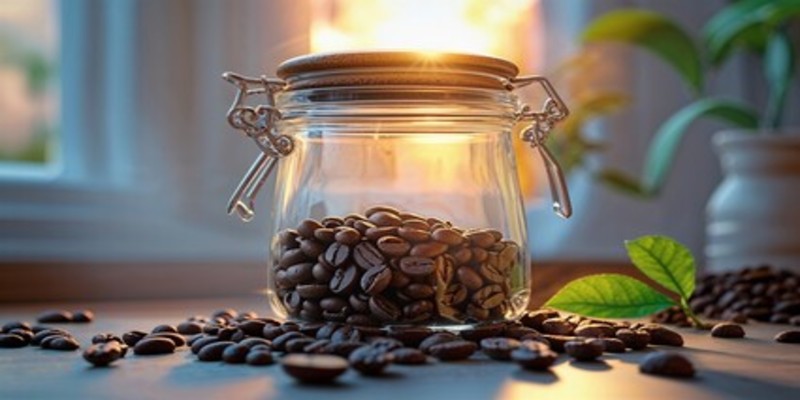
Fresh beans matter. Coffee hits peak flavor 5 to 14 days after roasting. Past 4 weeks? Flavor drops fast.
If you buy in bulk, vacuum sealing or CO2-valve containers slow aging.
Try these:
Fellow Atmos: Vacuum-sealed canister, $30–$40.
Airscape Stainless Steel: Two-way valve for CO2, $35–$45.
Vacuum Sealer with Reusable Bags: Long-term storage under $100.
Never freeze opened bags. Whole beans stay fresher than ground; grind only what you need per shot.
Final Word: Where To Start
If your espresso lacks body or balance, upgrade your grinder first. Nothing improves flavor faster. Then fix the distribution with a WDT tool and puck screen. Check your water and shot time. Try one of the recipes above and taste the difference immediately.
Already own a decent setup? Start tracking every shot with a brew scale. Use that data to repeat great results and fix bad ones. As your technique tightens up, more advanced tools like PID-controlled machines and milk frothing upgrades start to make sense.
World-class espresso at home isn't about chasing every gadget. It’s about fixing the weakest link—often the grinder—and building repeatable habits.
You May Like
-

-
Coffee
Coffee Syrups That Make Every Cup Taste Better
-
Coffee
Coffee and Anxiety Are More Complicated Than We Thought Today
-
Guide
Coffee Storage Solutions That Keep Beans Fresh Longer
-
Guide
Why Cold Brew Concentrate Is The ONLY Way To Drink Iced Coffee
-
Recipe
Skip The Drive-Thru: Make A Perfect Frappe At Home In Under 5 Minutes